

Environmental Strategy & Objectives
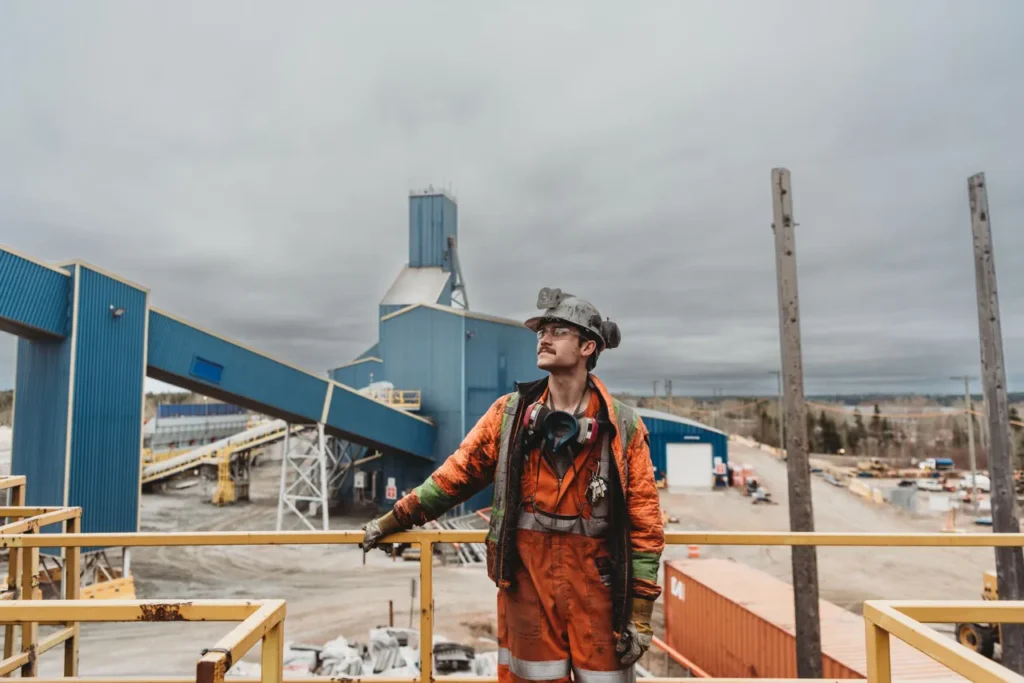
Hudbay is committed to sustainable mining practices that minimize environmental impact. In early 2024, we implemented a more robust Environmental Strategy that aims to reduce impacts from our operations through the use of annual objectives. This has allowed us to set clear targets for our Manitoba operations, including 25% reduction in Scope 1 GHG emissions intensity (tonnes of Scope 1 emissions per kilometre) by 2030 — mainly through battery electric equipment and electrification projects — along with improving water management and supporting biodiversity through progressive site rehabilitation.
As part of this strategy, we have achieved significant reductions in fuel use. From January to September 2024, Snow Lake Operations decreased propane use by 22% (1.6 million litres) and diesel by 8.5% (270,920 litres) compared to the same period in 2023. At Lalor, we reduced freshwater use by 6% by capturing and recycling natural groundwater, underscoring our commitment to responsible water management.
TSM Performance
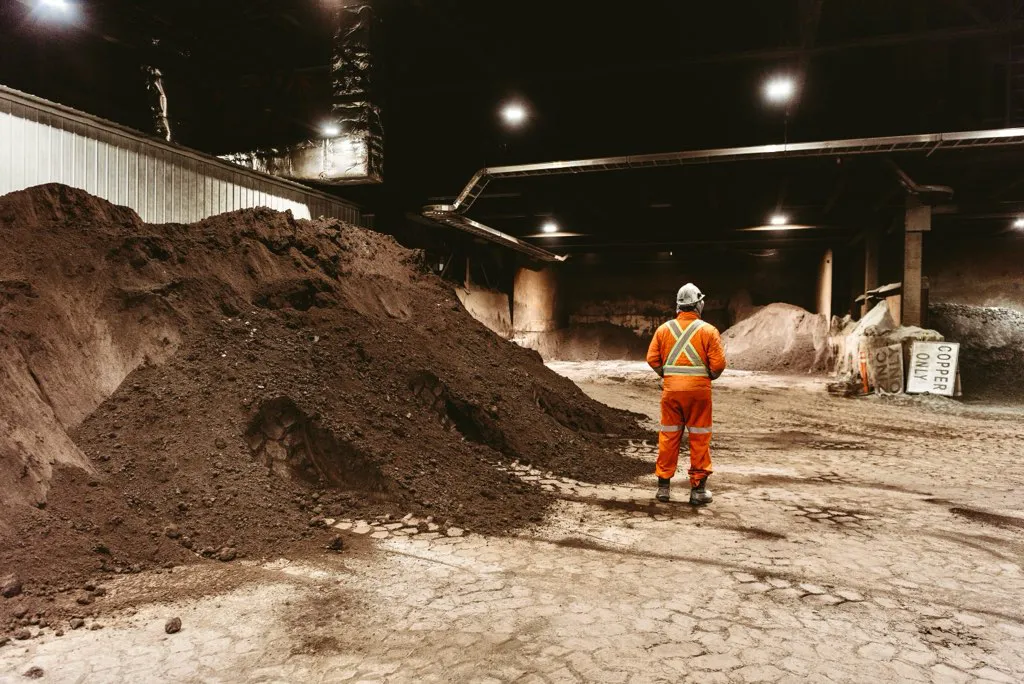
We aim for a minimum level A rating across all indicators under the Mining Association of Canada’s Towards Sustainable Mining (TSM) environmental standard, which is evidence of good performance and accountability. In 2024, we met this goal across all protocols in our Manitoba business unit. We are actively working on ways to improve our indicator ratings to surpass level A and will publicly report our assessments on the MAC website.
EMS Policies
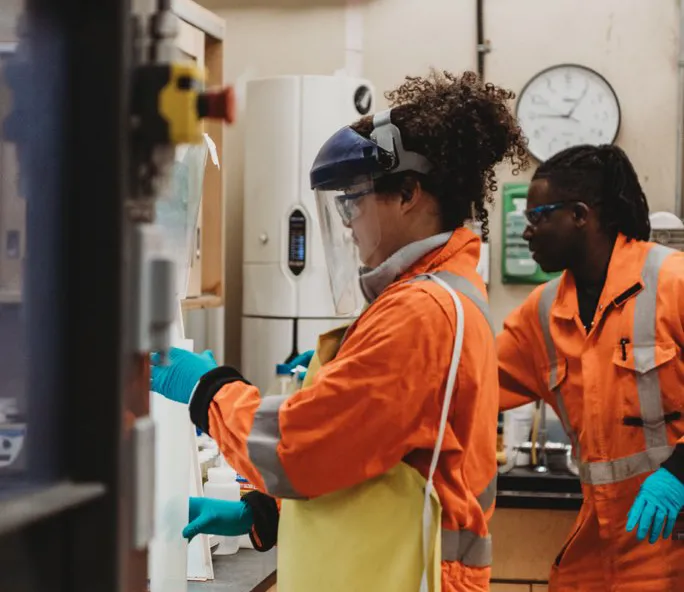
Hudbay’s Environmental Management System (EMS) embodies our commitment to responsible mining, processing, and environmental stewardship. It focuses on minimizing impact and driving continuous improvement, supported by key policies such as:
- Health, Safety & Environment (HSE) Policy: states our commitment to explore, mine and process metals in an environmentally responsible manner and to measure and improve our systems and performance continually
- Tailings Facility Policy: states our commitment to locate, design, construct, operate and close tailings facilities in compliance with MAC tailings management guidelines & environmental policies, as well as ensuring stable structures, industry best practices, and compliance with legal requirements.
- Waste Prevention, Management & Recycling Policy: all Hudbay operations have plans in place to prevent & minimize, reuse, recycle, and responsibly dispose of hazardous and non-hazardous waste, as well as committing to landfill management best practices to comply with all legal requirements and maximize the lifespan of our landfills.
New Initiatives
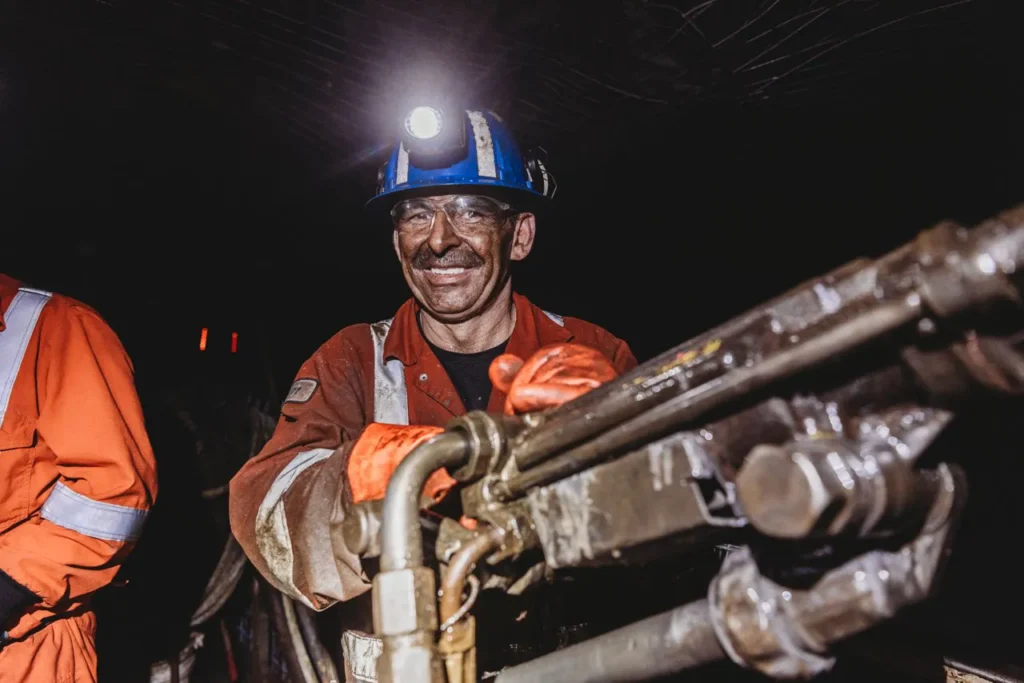
Hudbay is constantly exploring new initiatives to enhance environmental sustainability, implementing additional measures to improve energy efficiency and reduce our carbon footprint across all operations.
Closure and Reclamation
Hudbay believes an effective mine closure starts in the design phase and continues throughout the mine’s lifecycle. Our approach, aligned with the Towards Sustainable Mining (TSM) Mine Closure Framework, includes:
- Consultation and engagement with stakeholders, particularly nearby communities
- Collaboration on closure and reclamation objectives
- Development of long-term economic strategies to mitigate environmental, social, and economic impacts of closure
- Rehabilitation of former mine sites to an agreed-upon beneficial post-mining use, aiming to restore conditions as close as practical to pre-use state
- Implementation of progressive rehabilitation for areas no longer needed for mining
- Post-closure maintenance and monitoring to ensure closure objectives are met
Awards & Recognitions
- Hudbay’s dedication to environmental stewardship has been acknowledged through various awards and certifications. Our Manitoba operations hold Silver-level certification in the Partnership Accreditation in Indigenous Relations (PAIR), highlighting our commitment to building positive relationships with Indigenous rights holders and supporting sustainable practices.
- In addition to our certification in good standing for our Health and Safety management system (ISO 45001) and the Environmental management system (ISO 14001).